
As water conservation becomes increasingly important, more people are looking for simple ways to reduce their household water consumption. Rising water and energy costs have made saving water not only an environmental priority but also an effective way to lower utility bills.
However, many people are surprised to learn just how much water is used during a typical shower. In fact, a single long shower can consume more than 200 litres (53 gallons) of water without us even noticing.
So, how much water does a 5, 10 or 20-minute shower actually use? The answer may encourage you to rethink your daily routine.
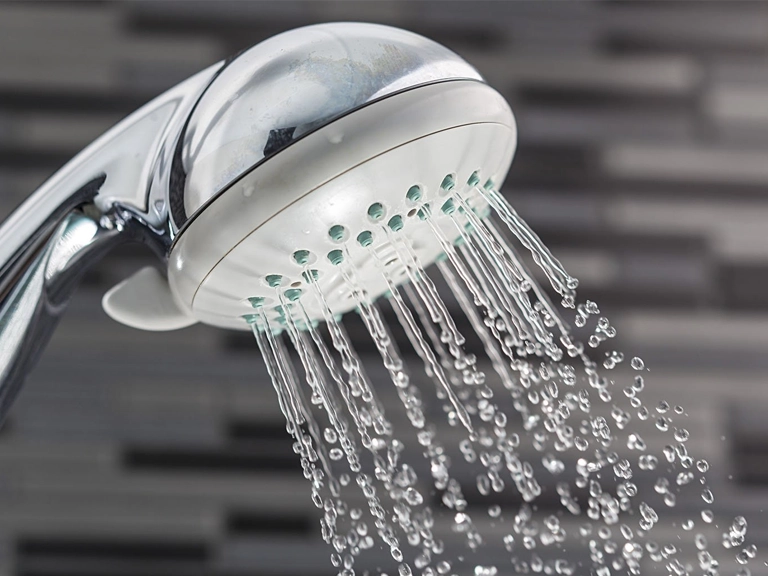
The amount of water used depends mainly on the flow rate of your showerhead.
A standard shower typically uses between 10 and 15 litres of water per minute, although older showerheads can exceed 18 litres per minute.
Using an average flow rate of 12 litres per minute, the water consumption would be approximately:
| Shower Time | Water Used |
|---|---|
| 5 minutes | 60 litres |
| 10 minutes | 120 litres |
| 15 minutes | 180 litres |
| 20 minutes | 240 litres |
To put that into perspective, 240 litres is enough water to cover the basic daily needs of many people for almost two days.
Water isn’t the only expense.
Every time you take a hot shower, energy is required to heat the water. This means the real cost of a shower includes both your water bill and your energy bill.
Reducing your shower by just five minutes each day can lead to significant savings over the course of a year, especially in larger households.
Imagine a family of four.
If each family member reduced their daily shower from 10 minutes to just 5 minutes:
Small changes really can make a big difference.
Fresh water is one of our planet’s most valuable natural resources, and many regions around the world regularly experience droughts and water shortages.
Although a single shower may seem insignificant, the combined impact of millions of households adopting better water-saving habits is enormous.
Saving water doesn’t mean sacrificing comfort—it simply means using only what you need.
Fortunately, reducing water use is easier than many people think.
Modern low-flow showerheads reduce water consumption while maintaining excellent water pressure.
A simple habit that can save dozens of litres during every shower.
Many people lose track of time while relaxing under warm water. What feels like a quick shower often lasts much longer than expected.
One of the easiest ways to build long-term water-saving habits is by using a shower timer.
A shower timer helps you become aware of how long you spend in the shower and encourages the whole family to reduce unnecessary water consumption without constantly checking the clock.
Reducing your shower time by just a few minutes each day has almost no impact on your daily routine, but it can dramatically reduce your water consumption, lower the energy required to heat water, and decrease your household bills.
By making a simple change today, you can save tens of thousands of litres of water every year, reduce your environmental footprint, and contribute to a more sustainable future.
Every drop counts—and every minute matters.