
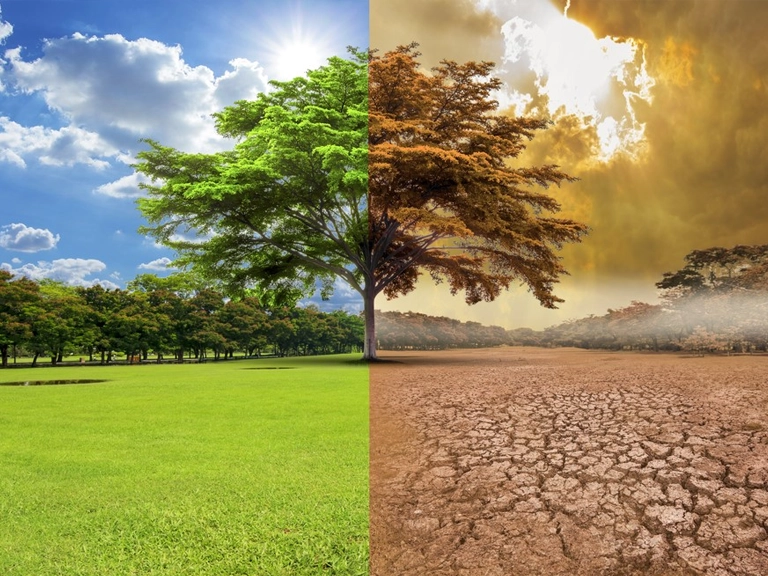
Water scarcity and the effects of global warming threaten food security, biodiversity, and social stability in multiple regions of the world.
In recent years, the world has witnessed an alarming increase in the frequency and intensity of droughts, a phenomenon directly linked to climate change. Alterations in weather patterns, rising global temperatures, and declining rainfall are transforming entire landscapes, threatening the survival of natural ecosystems and jeopardizing the water and food security of millions of people.
An alarming global trend
According to the latest report from the Intergovernmental Panel on Climate Change (IPCC), more than 70% of the planet has experienced at least one extreme drought event in the last decade. Traditionally humid regions such as southern Europe, parts of South America, the Horn of Africa, and Southeast Asia have recorded unprecedented levels of water scarcity.
In countries such as Spain, Italy, and Greece, reservoirs are below 30% of their usual capacity. In South America, the Paraná and Amazon rivers have reached historic lows, severely impacting navigation, hydroelectric power generation, and agriculture. Meanwhile, in East Africa, millions of people are facing an unprecedented food crisis due to five consecutive failed rainy seasons.
Ripple Consequences
Agriculture and Food Security:
The prolonged drought is drastically reducing agricultural productivity. Cereal, fruit, and vegetable crops, especially those that require large amounts of water, are seeing significant drops in yield. This not only causes economic losses for farmers but also increases food prices, disproportionately affecting the most vulnerable populations.
Biodiversity in Danger:
The lack of water has led to the disappearance of wetlands, rivers, and lakes in many areas. These ecosystems, home to thousands of animal and plant species, are severely impacted. Animals such as amphibians, freshwater fish, migratory birds, and large mammals are facing habitat loss and resource scarcity.
Social conflicts and migration:
In regions where water is scarce, competition for this vital resource generates social tensions. Farming, livestock, and industrial communities come into conflict over access to water. Furthermore, the inability to sustain traditional livelihoods forces thousands of people to abandon their homes and migrate to cities or even to other countries, exacerbating urbanization problems and generating political pressures.
Energy and economy:
The reduction in river and reservoir flows also affects hydroelectric power generation, the main source of renewable energy in many regions. This forces the use of more polluting sources, such as coal or gas, fueling a vicious cycle of greenhouse gas emissions. Drought also generates millions of dollars in losses in sectors such as tourism, especially in coastal or rural areas where natural landscapes have been degraded.
What can be done?
Faced with this discouraging outlook, experts agree that it is urgent to adopt a combination of mitigation and adaptation measures:
Mitigation: Reducing greenhouse gas emissions to slow the advance of global warming. This entails an energy transition toward clean sources, the gradual abandonment of fossil fuels, and the implementation of energy efficiency policies.
Adaptation: Developing climate-resilient infrastructure, modernizing irrigation systems, protecting groundwater aquifers, restoring natural ecosystems, and promoting sustainable agricultural practices. It is also key to establish integrated water management plans and international cooperation mechanisms for the sharing of transboundary resources.
Use shower timers: Acqua Tempus is a system designed to combat drought by limiting the amount of water used in the shower. If you want to learn how you can help with climate change, visit areliametershop.com.
A Call to Action
Drought is not a future problem: it is a present crisis, exacerbated by decades of inaction and unsustainable exploitation of the planet. While climate change is a global phenomenon, its impacts are felt locally and unevenly. The science has been clear: the longer we delay action, the more costly and difficult recovery will be.
The window to avoid systemic collapse is closing. But there is still time if governments, businesses, and civil society work in a coordinated and supportive manner with a firm commitment to a fairer, greener, and more resilient future.